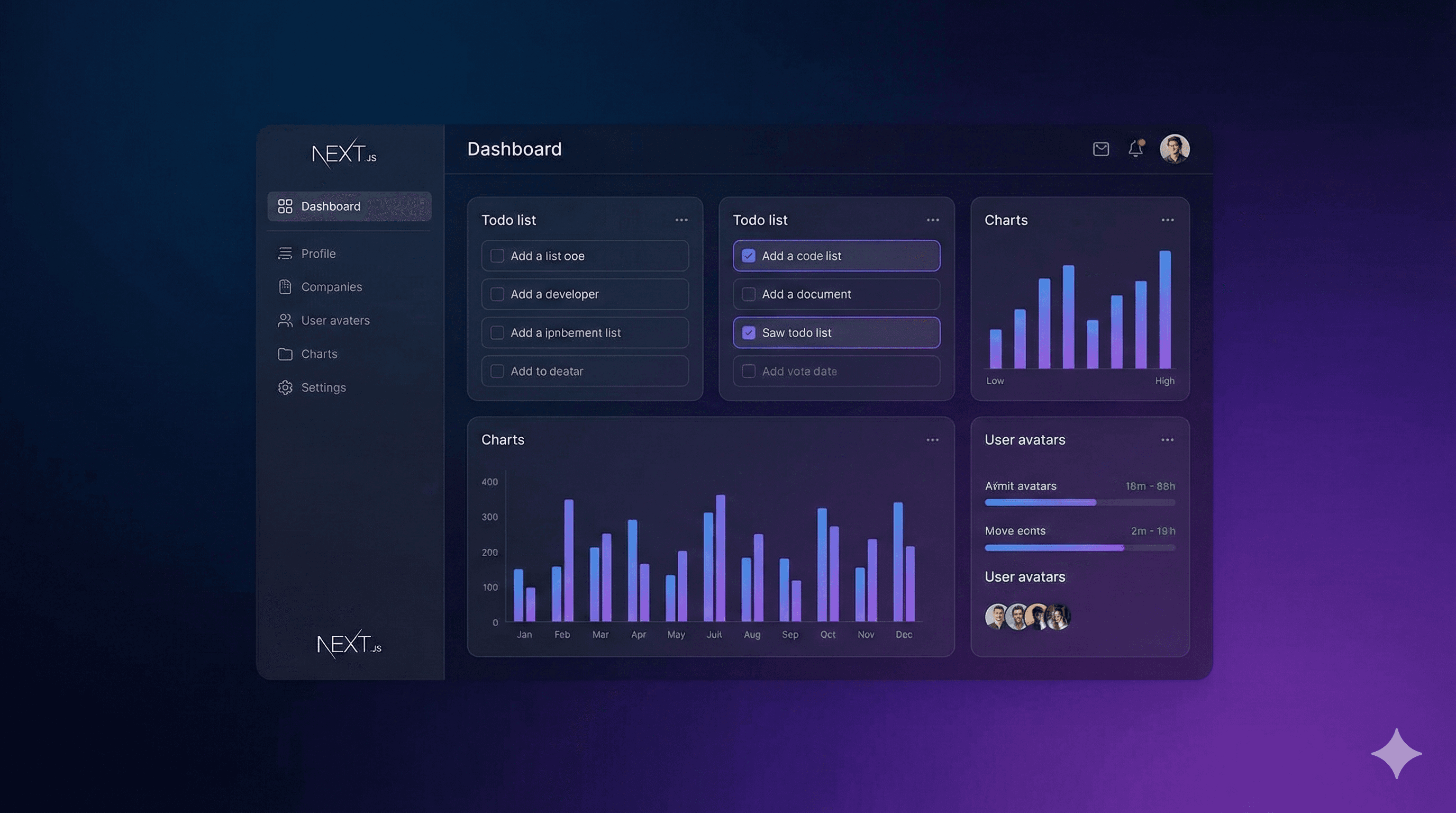
Overview
A full-stack web application featuring a public portfolio with MDX-based content and a protected dashboard with todo management capabilities. Serves as a training ground for Lead JavaScript Engineer skills — testing, CI/CD, Docker, Kubernetes, AWS, and microservices.
Key Features
- Authentication & Authorization: NextAuth 5 with credentials provider, JWT sessions, and two roles (user/admin)
- RBAC: Users manage their own todos; admins have full access with user filtering
- Todo CRUD: Create, read, update, delete with Zod validation and server actions
- REST API: Full versioned API (
/api/v1/) with pagination, search, ownership checks, and proper HTTP status codes - GraphQL API: Apollo Server on
/api/graphqlwith Query/Mutation support, reusing the same data layer - Pagination & Search: Server-side pagination with URL-based search and debounced input
- Responsive Design: Mobile-first with Tailwind CSS — dual rendering (mobile cards + desktop table)
- Testing: 137 unit/integration/component tests (Vitest) + 19 E2E tests (Playwright)
- Performance Monitoring: Lighthouse CI budgets, bundle analyzer, Web Vitals baseline
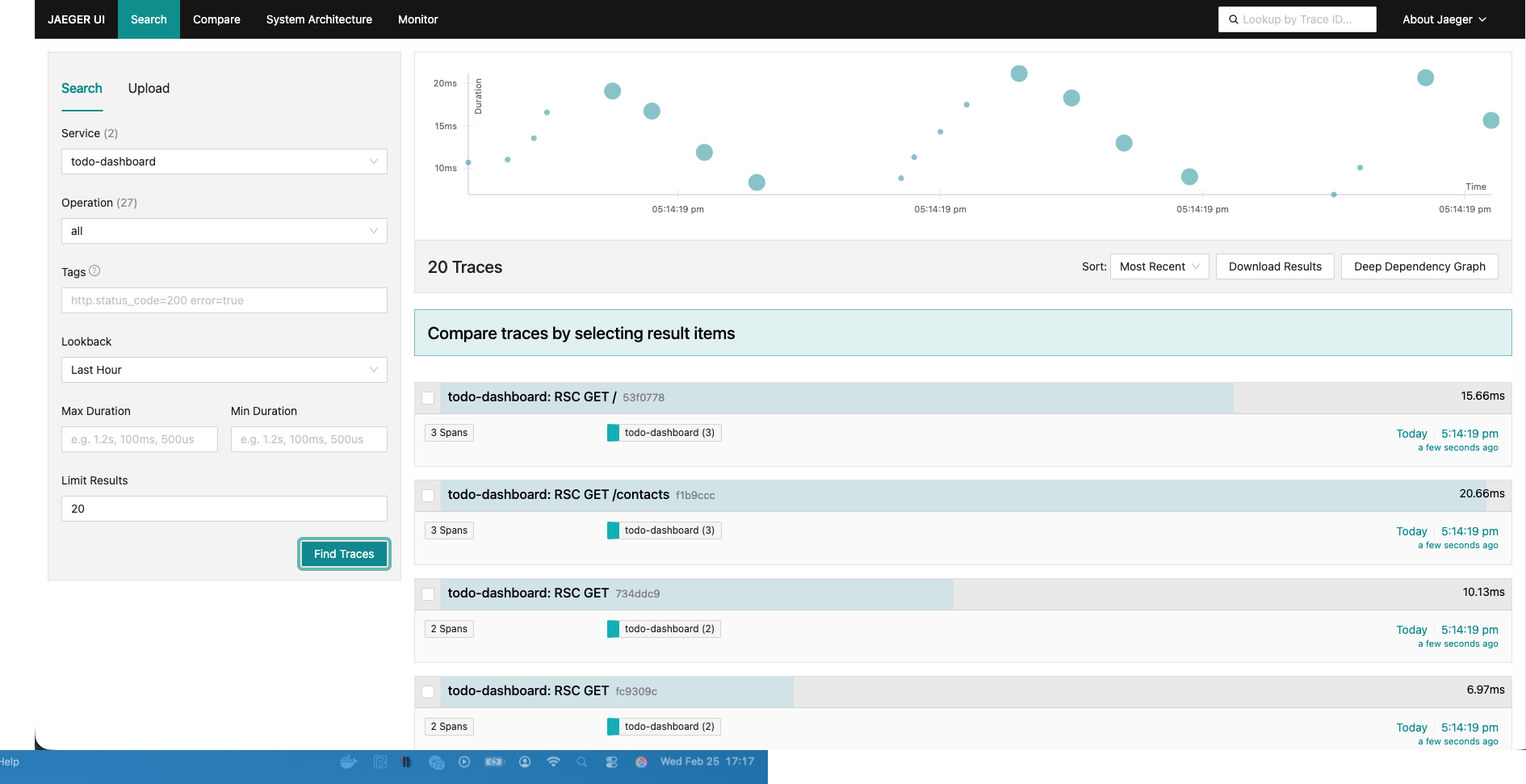
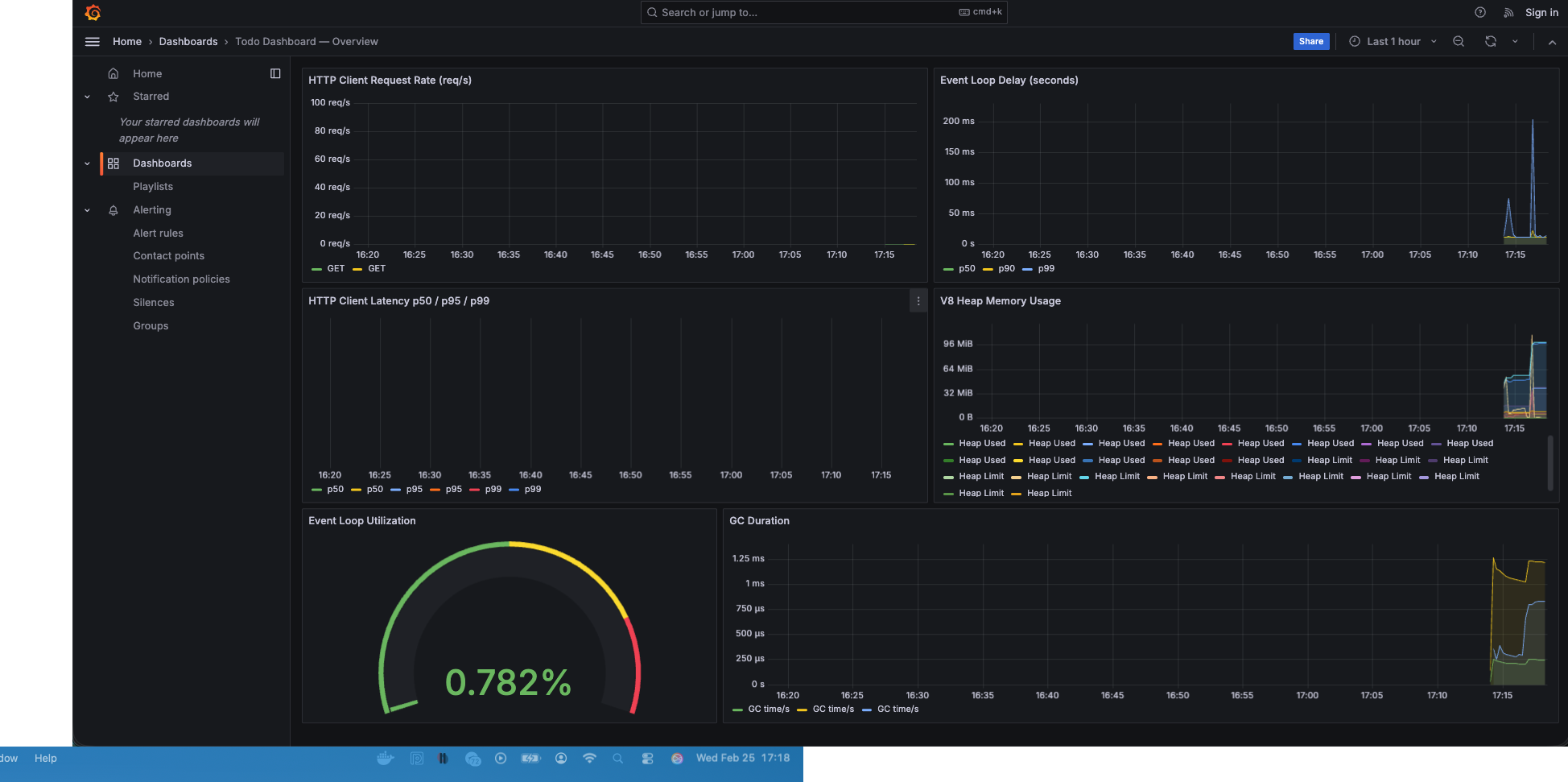
- Observability: OpenTelemetry traces (Jaeger), Prometheus metrics, Grafana dashboards, Pino structured logging
Tech Stack
- Framework: Next.js (App Router, React Server Components)
- Language: TypeScript 5.7
- Database: PostgreSQL (Neon) via
postgrespackage - Auth: NextAuth 5 beta with JWT strategy
- API: REST (Next.js Route Handlers) + GraphQL (Apollo Server + @as-integrations/next)
- Styling: Tailwind CSS 3.4
- Validation: Zod
- Testing: Vitest + React Testing Library, Playwright
- Performance: Lighthouse CI, @next/bundle-analyzer
- Code Quality: ESLint + Prettier, Husky + lint-staged
Observability
Architecture Decisions
All architectural decisions are documented as ADRs in the docs/adr/ directory, covering project structure, data model, authentication, content management, testing strategy, E2E testing, and performance monitoring.